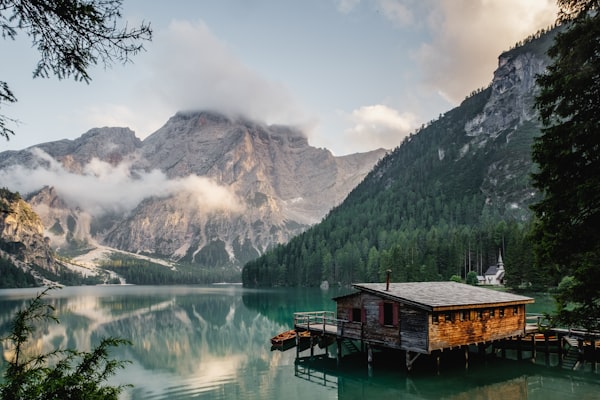
There is a particular silence that exists only in the hour before sunrise. It is not merely the absence of sound, but something more profound — a stillness that seems to invite clarity. For centuries, poets and philosophers have written about it. Now, a growing community of artists, entrepreneurs, and creative professionals are rediscovering what ancient thinkers long understood: the early morning hours possess a quality that the rest of the day cannot replicate.
This is not about productivity hacks or optimization strategies. The sunrise ritual represents something deeper — a deliberate choice to begin each day in communion with the natural world, to witness the daily renewal that most people sleep through. For those who practice it, the transformation extends far beyond their creative work.

A Practice Rooted in Intention
What distinguishes a sunrise ritual from simply waking early is the element of intention. Rising before dawn without purpose is merely sleep deprivation. But approaching those morning hours as sacred time — time set aside for reflection, creative work, or quiet contemplation — transforms the experience entirely. The discipline required to leave a warm bed while the world sleeps becomes part of the practice itself, a daily recommitment to values and goals.
Many practitioners describe the experience as meditative, even without formal meditation. There is something about witnessing the transition from darkness to light that creates a sense of possibility. Each day begins fresh, unmarked by the demands and distractions that accumulate as hours pass. The mind, still quiet from sleep, moves differently than it does later — thoughts flow more freely, connections appear more readily.
"The hours between 4 and 7 in the morning have a mystical aspect to them. There is a silence, there is a peace, you can hear yourself think." — Attributed to various creative practitioners
Why Creative Professionals Are Taking Notice
The growing interest in sunrise practices among artists and innovators is not coincidental. Creative work demands a particular state of mind — one that is difficult to achieve amid the noise and interruption of modern life. The early morning offers protection from this intrusion. No meetings are scheduled at 5 AM. Emails can wait. The urgent demands that fragment attention throughout the day have not yet begun.
This protected time allows for deep work, the kind of sustained concentration that produces meaningful results. Whether writing, composing, painting, or developing new ideas, creative professionals consistently report that their early morning work possesses a different quality. Problems that seemed intractable the night before yield to fresh perspective. Ideas that had been lurking just out of reach suddenly become clear.
Ready to Transform Your Mornings?
Discover structured guidance to help you develop a sustainable sunrise practice tailored to your creative goals.
Explore Our Programs
The Science Behind the Practice
While the benefits of sunrise rituals are often described in experiential terms, research supports what practitioners have long known. Exposure to natural morning light helps regulate circadian rhythms, improving both sleep quality and daytime alertness. Studies suggest that morning light exposure may also support mood regulation and cognitive function, potentially explaining the enhanced creative capacity many report during early hours [1].
The neurological state upon waking also plays a role. In the transition from sleep, the brain moves through stages that may support creative thinking. The prefrontal cortex, responsible for analytical and critical thought, comes fully online gradually. This may create a window during which associative and imaginative thinking flows more freely, unimpeded by the internal editor that often stifles creative exploration [2].
Building a Sustainable Practice
Perhaps the greatest challenge of adopting a sunrise practice is sustainability. Initial enthusiasm fades when the alarm sounds on a cold, dark morning. The key, according to experienced practitioners, lies in making the practice genuinely meaningful rather than simply disciplined. When the morning hours are filled with activities that nourish rather than deplete, rising early becomes something to anticipate rather than endure.
This often requires experimentation. Some find that their best morning work is creative output — writing, composing, sketching. Others prefer to reserve the early hours for input — reading, learning, quiet reflection. Still others use the time for movement, finding that physical activity in the dawn hours sets a foundation for the day ahead. There is no single correct approach; the practice must be shaped to individual needs and rhythms.

Joining a Growing Movement
What was once the private practice of individual artists and thinkers has evolved into a recognizable movement. Online communities share experiences and encouragement. Retreats and programs offer structured introduction to sunrise practices. Books and articles explore the philosophy and practicality of early rising. For those curious about integrating this approach into their creative lives, support and guidance are increasingly available.
The appeal seems to lie in something beyond productivity or creative output. Practitioners often speak of a shift in their relationship with time itself. By beginning the day intentionally, before the world makes its demands, they reclaim a sense of agency that can otherwise be difficult to maintain. The sunrise becomes not just a backdrop for work, but a daily reminder that renewal is always possible.
Begin Your Journey
Our programs offer personalized guidance for developing a morning practice that supports your unique creative path.
Request Consultation